Free family course

Understanding Dementia:
A Practical Guide for Families

Build your understanding, practise calmer ways to communicate and leave with practical steps you can use to support someone you love.

Your course progress
50%
Course welcome placeholderWelcome
Course introduction

Welcome to your practical dementia guide

This course is for relatives, friends and anyone supporting a person who has dementia or may be experiencing symptoms. You can complete it in around 45–60 minutes, or leave and return whenever you wish.

What you will learn

  • What dementia is and how it may affect a person.
  • How to communicate in a calmer, clearer and more supportive way.
  • How to think about distress, safety, planning and your own wellbeing.
  • Where professional advice and trusted support fit into the journey.

A person-first approach

A diagnosis does not remove somebody’s identity, history, preferences or right to be involved. Throughout this course, we focus on the person—not only the condition.

Important: This course provides general UK educational information and is not a diagnosis or a replacement for medical, legal or financial advice. If symptoms are new, suddenly worse or causing immediate danger, contact an appropriate healthcare or emergency service.

Before you begin

  • There is no perfect way to support every person.
  • Try ideas, notice the response and adapt to the individual.
  • You can save personal notes privately on this device.

Module one placeholderModule 1
Module one

What dementia really is

Dementia is not one disease. It is a term for a group of symptoms caused by diseases that damage the brain. The symptoms and their effects differ from person to person.

More than memory loss

Dementia may affect memory, thinking speed, language, understanding, judgement, mood, movement and the ability to manage everyday activities. Memory loss is common, but it is not the whole picture.

Dementia and ageing

Dementia becomes more common with age, but it is not an inevitable or normal part of getting older. Persistent changes that interfere with everyday life deserve medical attention.

Other causes can look similar

Memory and thinking problems can also be linked to depression, infections, thyroid problems, medicines, sleep difficulties, vitamin deficiencies and other conditions. A professional assessment is important rather than assuming the cause.

Myth or fact?

Dementia is an inevitable part of getting older.

What to remember

  • Dementia describes symptoms caused by diseases affecting the brain.
  • It can affect far more than memory.
  • It is not a normal or inevitable part of ageing.

Sources: NHS: What is dementia? and NHS: Symptoms of dementia.

Module two placeholderModule 2
Module two

Different types of dementia

Different diseases affect different parts of the brain. That is why one person may first experience memory problems while another notices changes in planning, movement, perception, language or behaviour.

Alzheimer’s disease

The most common cause of dementia. Early difficulties often involve learning and remembering new information, although language, orientation and other abilities may also be affected.

Vascular dementia

Caused by reduced blood flow to the brain. Difficulties with planning, concentration and thinking speed may be prominent. Changes can occur gradually or after a stroke.

Other forms

  • Dementia with Lewy bodies: may include fluctuating alertness, movement changes, sleep disturbance and visual hallucinations.
  • Frontotemporal dementia: may initially affect behaviour, personality or language.
  • Mixed dementia: more than one type of disease is present.
Symptoms overlap, and no online description can diagnose a person. A proper assessment helps professionals understand possible causes and recommend appropriate treatment and support.

Quick check

Which statement is most accurate?

What to remember

  • There are several causes and types of dementia.
  • Symptoms can overlap and may change over time.
  • The individual matters more than a label.

Sources: NHS dementia guide and NHS vascular dementia guide.

Module three placeholderModule 3
Module three

See the person, not just the diagnosis

A person’s history, relationships, culture, routines, skills and preferences remain central to good support. Person-centred care begins by asking, “Who is this person, and what matters to them?”

Identity continues

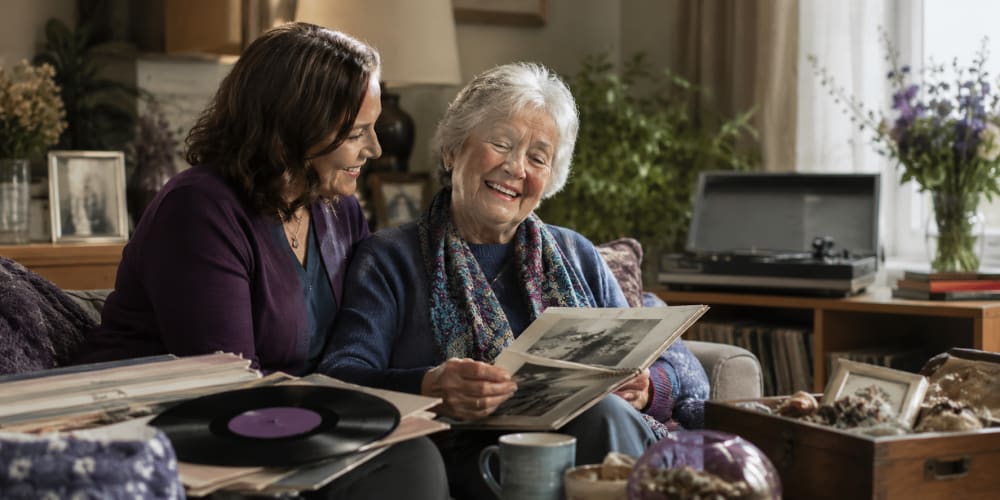
Use familiar names, objects, photographs, music, food and routines to support connection. Avoid speaking over the person or assuming they cannot contribute.

Support abilities

Break activities into manageable steps, offer discreet help and allow extra time. Doing everything for someone can unintentionally remove independence and purpose.

Build a personal profile

These notes save only on this device. You can print them at the end of the module.

What to remember

  • Know the story behind the person.
  • Support choice, dignity and remaining abilities.
  • Share helpful preferences consistently with everyone involved in care.

Sources: NICE person-centred care and Alzheimer’s Society: This is me.

Module four placeholderModule 4
Module four

Communicating with confidence

Communication may take more time and patience, but meaningful connection remains possible. What matters is not only what you say, but how safe, heard and respected the person feels.

Make communication easier

  • Get the person’s attention, use their name and reduce distractions.
  • Speak clearly and naturally using short sentences.
  • Ask one question at a time and allow plenty of time to respond.
  • Offer simple choices, such as “tea or coffee?”, rather than too many options.
  • Use gestures, objects or photographs when helpful.

Listen for meaning and feeling

If words are difficult, notice tone, expression and body language. Avoid repeated testing, rushing or unnecessary correction. A person may not remember the details of a conversation but can retain the feeling it created.

Choose your response

Your loved one says, “I need to go home. My mum will be waiting.” What is the most supportive first response?

What to remember

  • Slow down, simplify and give time.
  • Respond to emotion before correcting facts.
  • Use non-verbal communication and familiar prompts.

Sources: Dementia UK communication tips and Alzheimer’s Society communication guidance.

Module five placeholderModule 5
Module five

Understanding distress and behaviour

A change in behaviour can be communication. Instead of asking only, “How do I stop this?”, ask, “What might the person be experiencing or trying to tell me?”

Look beneath the behaviour

Possible causes include pain, illness, hunger, thirst, needing the toilet, tiredness, medication effects, fear, boredom, loneliness, noise, temperature or an unfamiliar environment.

Notice patterns

Record what happened before, what the person did and what helped afterwards. Patterns can make triggers and unmet needs easier to recognise and explain to professionals.

Respond safely

Stay calm, lower your voice, give space and reduce stimulation. Do not argue or mirror anger. Seek medical advice for sudden or significant changes, possible pain, infection, medication concerns or risk of harm.

Needs detective

A person becomes restless every afternoon. Select possible needs worth checking.

What to remember

  • Behaviour may communicate an unmet physical or emotional need.
  • Calm, curiosity and consistency are more useful than confrontation.
  • Sudden changes may require prompt medical assessment.

Sources: Dementia UK: Managing distress and Alzheimer’s Society: Managing behaviour changes.

Module six placeholderModule 6
Module six

Making everyday life safer and easier

Thoughtful changes can make an environment easier to understand without removing independence. The aim is proportionate support—not eliminating every possible risk.

Clear and familiar surroundings

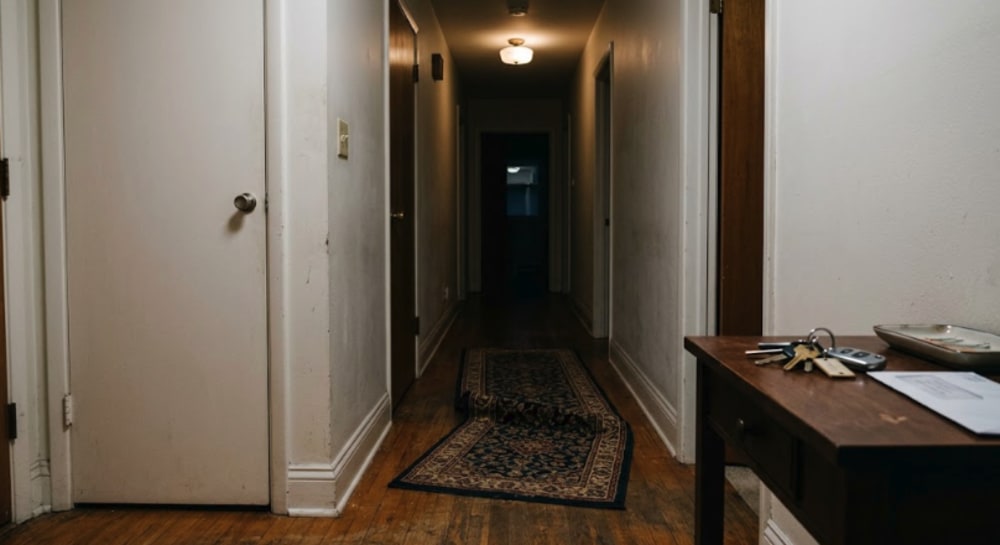
  • Keep routes clear and secure loose rugs or trailing cables.
  • Use good, even lighting and reduce glare or confusing shadows.
  • Make doors, signs and important objects easy to identify.
  • Keep frequently used items in consistent places.

Food, drink and wellbeing

Offer drinks regularly, use familiar cups and make options visible. Never force food or drink. Changes in swallowing, repeated coughing, weight loss or dehydration concerns should be discussed with an appropriate professional.

Purpose and movement

Support safe movement and meaningful activities matched to the person’s interests and abilities. Familiar household tasks, music, walking, gardening, crafts or sorting objects can offer purpose and enjoyment.

Spot the improvements

Tap each item to reveal a useful home check.

Spot the improvements
A home assessment through social services or an occupational therapist may help identify suitable adaptations. Fire and rescue services may also offer home fire-safety checks.

What to remember

  • Look at the home from the person’s point of view.
  • Clarity, familiarity and lighting can make a major difference.
  • Preserve choice and independence wherever safely possible.

Sources: Dementia UK home-safety guidance and Dementia UK hydration guidance.

Module seven placeholderModule 7
Module seven

Diagnosis, treatment and planning ahead

A timely assessment can identify treatable causes of symptoms, support an accurate diagnosis and give families more opportunity to plan with the person rather than for them.

Starting with the GP

A GP may ask about symptoms, health, medicines and everyday activities, and may arrange physical checks, blood tests, cognitive assessments or referral to a specialist service. Taking someone who knows the person well can help if the person agrees.

Treatment and support

There is currently no cure for dementia, but some medicines may help symptoms in particular types of dementia. Non-drug approaches, health reviews, activity and practical support are also important.

Plan while choices can be shared

Discuss wishes, care preferences, finances and legal arrangements early and sensitively. Mental capacity is decision-specific and should never be dismissed simply because somebody has dementia. Legal and funding rules vary across the UK, so obtain advice relevant to where the person lives.

My next-step planner

Select the areas your family would like to address.

Call 999 for an immediate danger or medical emergency. For urgent medical help that is not a 999 emergency, use the appropriate NHS urgent-care service for your nation.

What to remember

  • Memory problems can have causes other than dementia.
  • Assessment creates access to information, treatment and support.
  • Planning early helps protect the person’s voice and choices.

Sources: NHS diagnosis guidance, NHS treatment guidance and Alzheimer’s Society legal and financial guidance.

Module eight placeholderModule 8
Module eight

Looking after yourself

Supporting someone with dementia can bring love and meaning alongside grief, frustration, guilt and exhaustion. Your wellbeing is not separate from good support—it is part of it.

Notice your warning signs

Persistent exhaustion, irritability, low mood, poor sleep, withdrawing from others or feeling unable to cope are signs that you may need more support. Speak to your GP if your health or mood is being affected.

Share the load

Ask for specific help: a regular visit, a meal, transport, paperwork, a phone call or time away. Consider carers’ assessments, local services, support groups and specialist dementia organisations.

Release impossible standards

You will not handle every moment perfectly. Pause when it is safe, reflect without blaming yourself and try a different approach next time. Asking for help is responsible.

Your support circle

Add people or services you could contact. These notes remain on this device.

What to remember

  • Your health and emotions matter.
  • Specific requests make it easier for others to help.
  • You deserve support before reaching crisis point.

Sources: Alzheimer’s Society carer wellbeing and NHS dementia and relationships.

Final quiz placeholderFinal quiz
Knowledge check

You’re ready for the final quiz

Answer ten questions. You need 8 out of 10 to complete the course, and you can try again whenever you like.

0/10

Press start when you’re ready.

Your answers include helpful explanations, so the quiz is part of the learning.

Course completed

Congratulations!

You have completed Understanding Dementia: A Practical Guide for Families.